
What Termite Treatment Sydney Homeowners Need Before Summer
Summer is when termite activity can ramp up across Sydney, especially after warm, wet weather. Termite treatment Sydney homeowners choose before the heat sets in is usually cheaper, simpler, and far less stressful than reacting to sudden damage.
This guide explains what they should do now, what treatments actually work in Sydney conditions, and how to pick a provider without guessing.
What makes summer a higher-risk season for termites in Sydney?
Summer brings heat, humidity, and storms, which can boost termite foraging and make hidden moisture problems worse. When gardens are watered more often and air conditioners create condensation, termites can find ideal conditions around subfloors, bathrooms, and wall cavities.
Sydney’s mix of older timber homes, renovations, and leafy suburbs also creates plenty of entry points. That is why planning Sydney termite treatment households rely on before summer is a practical move.
What termite signs should Sydney homeowners check before summer starts?
They should look for mud leads on brickwork, piers, and garage walls, plus soft or hollow-sounding timber around skirting boards and door frames. Bubbling paint, tight doors, and unexplained cracks can also hint at moisture and movement linked to termite activity.
Outside, they should check fence posts, sleepers, and garden beds that touch the house. Early checks help decide whether termite treatment Sydney properties need is urgent or preventative.
What is the first step they should book: inspection or treatment?
They should book a professional inspection first, unless an active infestation is already confirmed. A licensed inspector can identify termite species, locate likely nest zones, and map risk factors like poor drainage or timber-to-soil contact.
That inspection guides the correct plan and avoids wasting money on the wrong approach. In most cases, the best termite treatment Sydney providers start with evidence, not assumptions.
What termite treatment options work best for Sydney homes?
The best option depends on the house type, the access, and whether termites are active. Common Sydney-ready approaches include chemical barriers, baiting systems, dusting and foam applications, and targeted nest treatments where accessible.
For many homes, a combination works best, such as a perimeter barrier plus monitoring. A tailored termite treatment Sydney plan should match the building, not a one-size package.
What is a chemical barrier, and when is it the right choice?
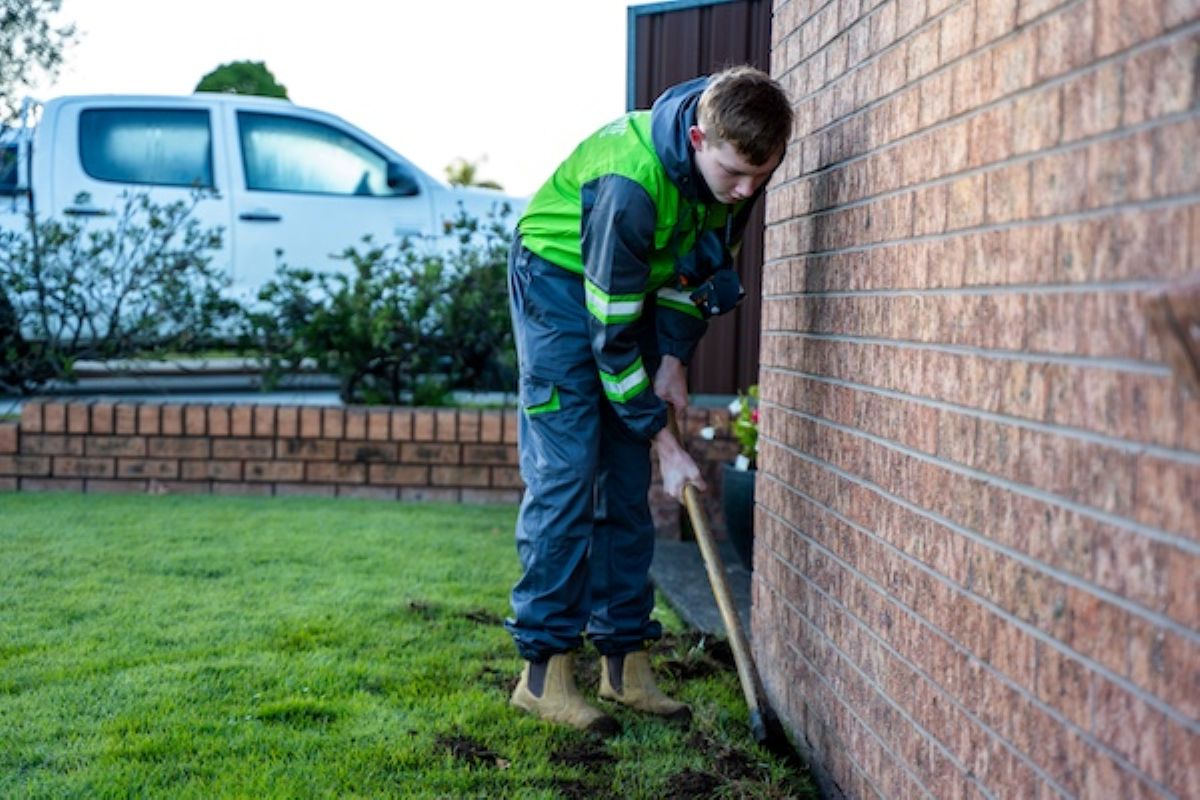
A chemical barrier is a treated zone termites cannot cross without picking up a termiticide. It is commonly installed by trenching and treating around external walls, and by injecting through paving or concrete paths where needed.
It can be a strong option for freestanding homes with clear perimeter access. When done properly, termite treatment Sydney barriers can offer long-term protection, but only if the zone stays continuous and undisturbed.
What are termite baiting systems, and when do they make more sense?
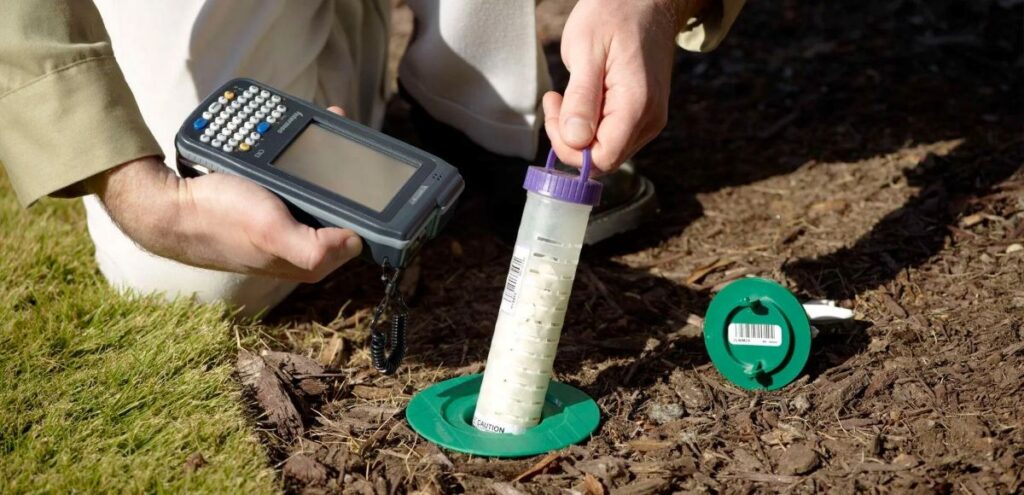
Baiting uses stations placed in the ground around the home, then monitored and replenished to eliminate or suppress a colony. It can suit homes where barriers are difficult, such as tight boundary lines, complex slabs, or areas with extensive paving.
Baiting usually needs ongoing servicing, so budgeting for follow-ups matters. For some blocks, termite treatment Sydney baiting is the most practical approach because it avoids heavy drilling.
What do foam, dust, and localised treatments actually do?
Foams and dusts are typically used for active termites in wall voids, roof timbers, or specific attack zones. They can spread through galleries and help control termites where direct access is limited.
Localised treatments can be effective, but they may not protect the entire structure if the colony is elsewhere. A good termite treatment Sydney strategy uses these tools as part of a broader plan, not as a shortcut.
How do Sydney property types affect the treatment choice?
A raised timber floor with a subfloor often allows clearer inspection lines and easier access for targeted work. Slab-on-ground homes can hide entry points inside walls, making monitoring and perimeter strategies more important.
Terraces, duplexes, and homes near retaining walls can be tricky because termites can move through shared structures. The right termite treatment Sydney approach should consider neighbouring risks and access constraints.

What pre-summer prevention steps should they do before any treatment?
They should reduce moisture and remove hidden timber food sources first. Fix leaking taps, overflow relief drains that constantly drip, and poor stormwater discharge near footings, then keep subfloor vents clear.
They should also remove timber offcuts, old sleepers, and cardboard stored against walls. These steps improve any termite treatment Sydney professionals install because they reduce the conditions termites love.
What should they ask a Sydney termite professional before booking?
They should ask what treatment is recommended and why, what evidence was found, and how the provider will confirm success. They should also ask for a clear diagram or report showing risk areas, treatment zones, and access points.
They should confirm the technician is licensed in NSW and insured, and check what follow-up schedule is required. A reliable termite treatment Sydney provider will explain the plan plainly and put it in writing.
What does a good termite report include for Sydney homeowners?
A good report should list the termite species or evidence type, the areas inspected, and any inaccessible zones. It should document moisture readings or conditions that increase risk, such as garden beds bridging weep holes or subfloor drainage issues.
It should also recommend repairs and prevention steps, not just chemical options. This helps them judge whether termite treatment Sydney work is preventative, urgent, or both.
How much time should they allow before summer arrives?
They should allow time for an inspection, decision-making, and scheduling, because spring and early summer are busy periods in Sydney. If drilling through paths or patios is needed, they may also want time to organise access, pets, and work-from-home plans.
Leaving it late increases the chance of delays. Booking termite treatment Sydney services early can mean better availability and less pressure.
What maintenance keeps termite protection effective through summer?
They should avoid disturbing treated soil zones and keep gardens from building up against external walls. They should also ensure downpipes and stormwater lines move water away from the house, especially after summer storms.
For baiting, they must keep to the monitoring schedule, because missed services can reduce effectiveness. Ongoing care supports termite treatment Sydney protection far more than a single once-off visit.
What common Sydney mistakes make termite problems worse?
They often stack mulch high against walls, cover weep holes, or let garden beds bridge the slab edge. Some store timber, cardboard, or spare flooring under the house, which can attract termites and hide activity.
Others skip yearly inspections because the home “looks fine.” These mistakes can undermine termite treatment Sydney measures and allow silent damage to continue.
What should they do if they suspect active termites right now?
They should avoid spraying household insecticides or disturbing the area, because termites can retreat and spread to new zones. They should take a photo, note where it was seen, and book a professional inspection urgently.
Fast action can limit damage and improve treatment outcomes. When activity is present, termite treatment Sydney response should be immediate, targeted, and professionally handled.
What is the simplest pre-summer plan they can follow?
They should book an inspection, fix moisture issues, and install the right protection for their property type. Then they should commit to ongoing checks, especially after storms or building works.
This basic routine prevents most surprises and supports long-term property value. For many households, termite treatment Sydney planning before summer is the easiest way to avoid expensive structural repairs later.
More to Read : How Pest Control Termite Programs Differ From General Treatments