
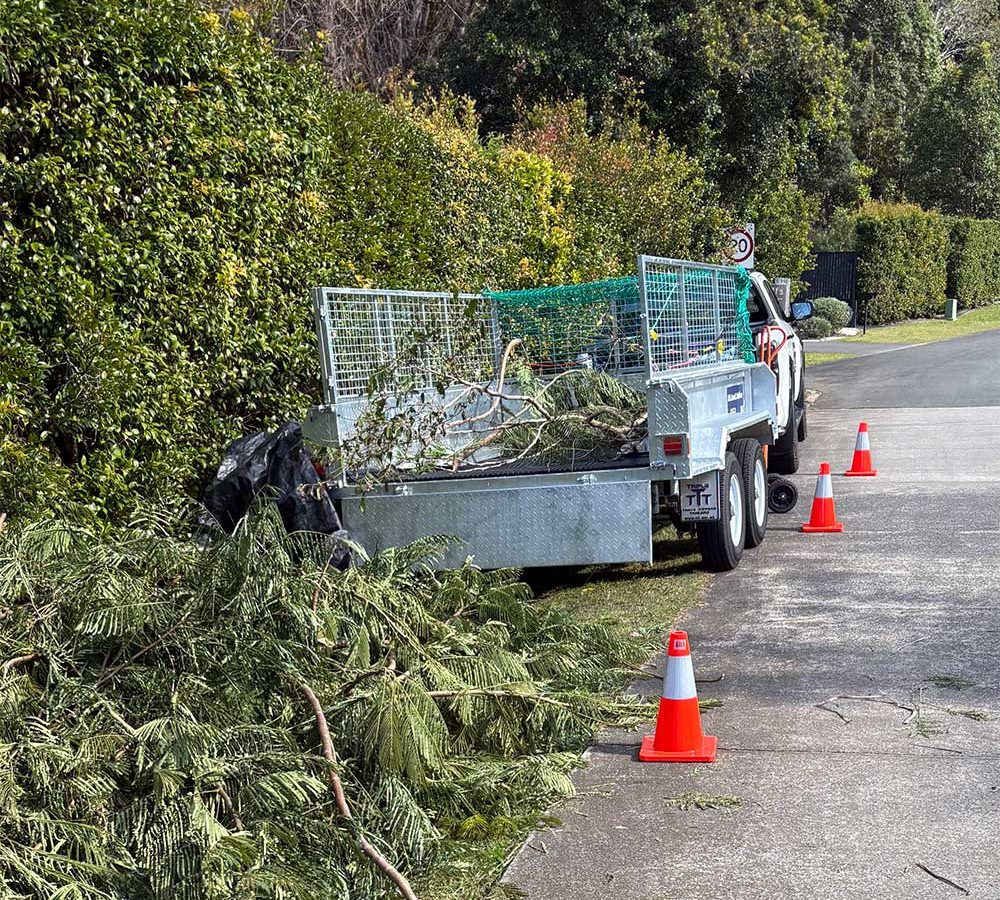
How Often Should You Book a Green Waste Removal Service?
The right schedule depends on garden size, council green bin limits, fire risk, pests, and how quickly green waste breaks down in their climate.
What counts as green waste in Australian households?
Green waste is typically organic garden material such as grass clippings, leaves, weeds, palm fronds, small branches, and pruning offcuts. Many Australian providers also accept light tree trimmings, but rules vary by operator and council area.
They should avoid mixing in general rubbish, soil, treated timber, or building materials, since that can trigger extra fees or refusal of the load by a green waste removal service.
How often should a typical suburban household book a green waste removal service?
For many suburban blocks in Sydney, Melbourne, Brisbane, Perth, Adelaide, Canberra, Hobart, or Darwin, booking every 6–8 weeks is a practical baseline. It lines up with common pruning cycles and prevents green waste from turning into an eyesore or a pest attractor.
If their garden is low maintenance, a green waste removal service every 10–12 weeks can be enough, especially when council green bins are used efficiently.
How does season change the ideal booking frequency?
Spring and early summer usually create the most green waste, so fortnightly to monthly bookings can make sense during those periods. Lawns grow faster, hedges need shaping, and storms can drop branches.
Autumn can also spike volume due to leaf fall, especially in cooler parts of Victoria, NSW, ACT, and Tasmania. Winter often slows growth, meaning they might only need a green waste removal service every 2–3 months.
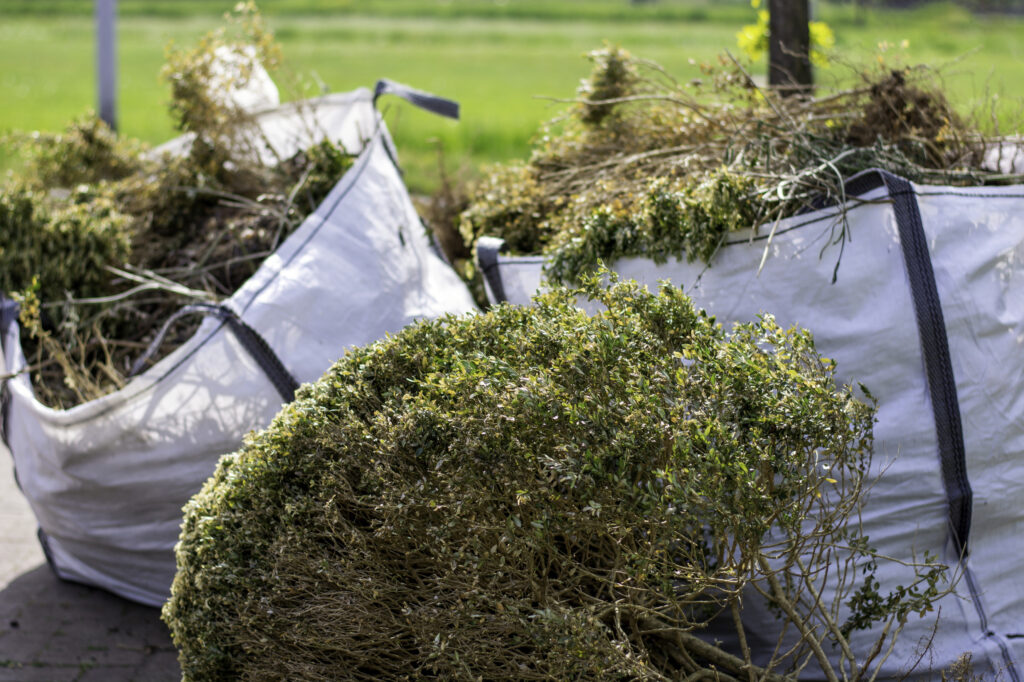
When should they book more frequently for lawn-heavy yards?
If they mow weekly and do not mulch clippings back into the lawn, green waste builds quickly. In that case, a monthly green waste removal service can prevent bags and piles from stacking up in the garage or side passage.
For large lawns, they may also choose an extra booking after heavy rain periods, when growth accelerates across much of coastal Australia.
How often should they book if they prune trees and hedges regularly?
Hedges and shrubs can produce bulky loads even when cut a few times a year. If they do seasonal pruning, booking right after each major cut is usually the cleanest approach.
For households with fast-growing screens like lilly pilly, bottlebrush, or viburnum, a green waste removal service every 6–8 weeks during the growing season keeps volume manageable.
What if their council green bin is always overflowing?
If their green bin is full most weeks, they either need to reduce waste at the source or add a private pickup. Many households use the council bin for routine clippings and leaves, then book a green waste removal service for the bigger spikes like pruning days and storm debris.
They should also check their council’s accepted items, because some areas limit branch thickness or prohibit palms, which pushes more material into private removal.
How do bushfire risk and property safety affect timing?
In bushfire-prone areas across NSW, Victoria, SA, WA, and parts of Queensland, allowing dry green waste to accumulate can increase fuel loads. Scheduling removals more frequently before and during fire season can help reduce combustible material and keep yards clear, alongside following bushfire preparation guidelines for the property.
If they live near bushland, a green waste removal service timed ahead of high-risk weather can be a sensible part of their property maintenance plan.
How long can they safely store green waste before it becomes a problem?
In warm and humid conditions, green waste can smell, sweat, and break down quickly, attracting flies and rodents. In hot Australian summers, piles can become unpleasant within a week or two, especially grass clippings.
If they cannot compost properly, they are usually better off booking a green waste removal service promptly after big garden jobs, rather than storing waste long term.
Can composting and mulching reduce how often they book?
Yes, composting food scraps and mulching prunings can reduce waste volume significantly. If they mulch mow the lawn and use a chipper for small branches, they may only need a green waste removal service a few times per year.
Still, not every household has space, time, or the right setup. For renters, units with courtyards, or homes with strict strata rules, booking removal is often the simplest option.
Is it better to book regularly or only when they have a big pile?
Regular bookings help them budget and keep the property consistently tidy, especially for families or time-poor households. It also avoids the “one huge clean-up” that can take a full weekend.
On-demand bookings suit people with smaller gardens or those who do seasonal blitzes. Either way, a green waste removal service works best when they book within a few days of completing pruning or mowing runs.
How can they estimate the right schedule for their garden size?
A quick rule is to track how long it takes for their usual storage spot to fill up. If the green bin and a couple of garden bags overflow within three weeks, they likely need monthly help.
If it takes two months to build a moderate pile, they can schedule less often. Many providers will advise on frequency after the first green waste removal service, based on volume and access.
What situations call for a one-off booking instead of a routine plan?
One-off bookings make sense after storms, tree lopping, end-of-lease clean-ups, landscaping projects, or preparing for inspections and home sales. These jobs often create far more material than weekly bins can handle.
In those cases, they can treat a green waste removal service like a reset, then return to council bin use and lighter maintenance.
What should they ask before booking to avoid overpaying?
They should confirm what’s included in the price, how volume is measured, and whether labour is included for loading. They should also ask about access issues, stair carries, parking constraints, and any surcharges for heavy branches or mixed loads.
Clear photos of the pile help the provider quote accurately, which reduces the risk of booking the wrong size green waste removal service.
How can they build an easy, realistic schedule they will stick to?
They can match bookings to the way they actually garden, not the way they wish they did. If they mow every Saturday, a monthly pickup on a set week is easy to remember. If they prune quarterly, booking the day after pruning is even simpler.
For many Australian households, a practical approach is a baseline booking every 8 weeks, plus one extra green waste removal service in spring when growth peaks.
How often should they book a green waste removal service in most Australian homes?
Most households will arrange removal anywhere from monthly during high-growth periods to every two or three months during slower seasons. The right frequency is one that prevents overflow, limits pest problems, and fits the budget without allowing garden waste to accumulate, as explained in these seasonal timing tips for garden waste removal near me.
If they are unsure, they can start with one green waste removal service, measure how quickly waste returns, then adjust to a routine that keeps the yard clear year-round.
FAQs (Frequently Asked Questions)
What materials are considered green waste in Australian households?
Green waste typically includes organic garden materials such as grass clippings, leaves, weeds, palm fronds, small branches, and pruning offcuts. Many Australian providers also accept light tree trimmings, but it’s important to avoid mixing in general rubbish, soil, treated timber, or building materials to prevent extra fees or refusal of the load by a green waste removal service.
How often should a typical suburban household book a green waste removal service?
For many suburban homes in cities like Sydney, Melbourne, Brisbane, Perth, Adelaide, Canberra, Hobart, or Darwin, booking a green waste removal service every 6–8 weeks is practical. This frequency aligns with common pruning cycles and helps prevent green waste from becoming an eyesore or attracting pests. Low-maintenance gardens might only need services every 10–12 weeks if council green bins are used efficiently.
How does the season affect the ideal frequency for booking green waste removal?
Seasonal changes significantly impact green waste production. Spring and early summer usually produce the most green waste due to faster lawn growth and pruning needs, warranting fortnightly to monthly bookings. Autumn can increase volume because of leaf fall in cooler regions like Victoria and Tasmania. Winter slows growth, so services may only be needed every 2–3 months during that time.
What should homeowners with large lawns or frequent pruning consider regarding green waste removal scheduling?
For those who mow weekly without mulching clippings back into the lawn, monthly green waste removal can prevent accumulation of bags and piles. Large lawns may require additional bookings after heavy rains when growth accelerates. Regular pruning of hedges and shrubs also generates bulky loads; scheduling removals right after major cuts or every 6–8 weeks during growing seasons helps manage volume effectively.
How can composting and mulching impact the frequency of booking a green waste removal service?
Composting food scraps and mulching prunings can significantly reduce the volume of green waste needing removal. Practices like mulch mowing lawns and chipping small branches may reduce the need for professional services to just a few times per year. However, not all households have space or time for composting; in such cases, regular green waste removal remains the simplest option.
Why is it important to consider bushfire risk when scheduling green waste removal in Australia?
In bushfire-prone areas across NSW, Victoria, SA, WA, and parts of Queensland, accumulated dry green waste can increase fuel loads and fire risk. Booking more frequent removals before and during fire season helps reduce this hazard and keeps properties clear. Timing removals ahead of high-risk weather is a sensible part of property maintenance in these regions.