
Seasonal Timing Tips for Garden Waste Removal Near Me
What does “seasonal timing” mean for garden waste in Australia?
Seasonal timing means planning pruning, mowing, and big tidy-ups around local growth cycles and weather. In the first 1–2 weeks after a seasonal change, gardens often produce the most waste, so bookings for garden waste removal near me can fill quickly.
It also means avoiding peak storm periods and aligning with council green-bin rules or verge collections where available.
Why does booking garden waste removal early matter?
Booking early reduces the chance they miss the best clean-up window. In many Australian suburbs, spring and post-storm periods create high demand, so garden waste removal near me can become harder to schedule at short notice.
Early bookings also help them sort waste properly, estimate volume, and avoid extra trips or surprise fees for overloaded piles.
When is the best time in summer for garden waste removal?
Summer is best for quick, regular removals rather than one huge clean-out. Heat and storms can create sudden green waste, so garden waste removal near me is often most useful after a growth spurt or a windy week.
They can plan early-morning work, keep piles shaded where possible, and avoid leaving grass clippings to ferment in the sun.
How should they handle summer storm debris and fallen branches?
They should prioritise safety and access first. After a summer storm, garden waste removal near me works best when branches are stacked neatly, with heavy logs separated from leafy material.
If powerlines are involved, they should contact the network operator or an arborist first. Many removal teams will not touch debris entangled in wires, even if it looks minor from the ground.
What timing works best in autumn for garden clean-ups?
Autumn is ideal for a structured reset, especially in leafy suburbs. As deciduous trees drop leaves and lawns slow down, garden waste removal near me is often most efficient as a fortnightly or monthly pick-up.
They can rake and bag leaves early, before rain turns them into slippery mulch. This also helps reduce blocked gutters and damp leaf build-up along fences.
Should they remove leaves or mulch them in autumn?
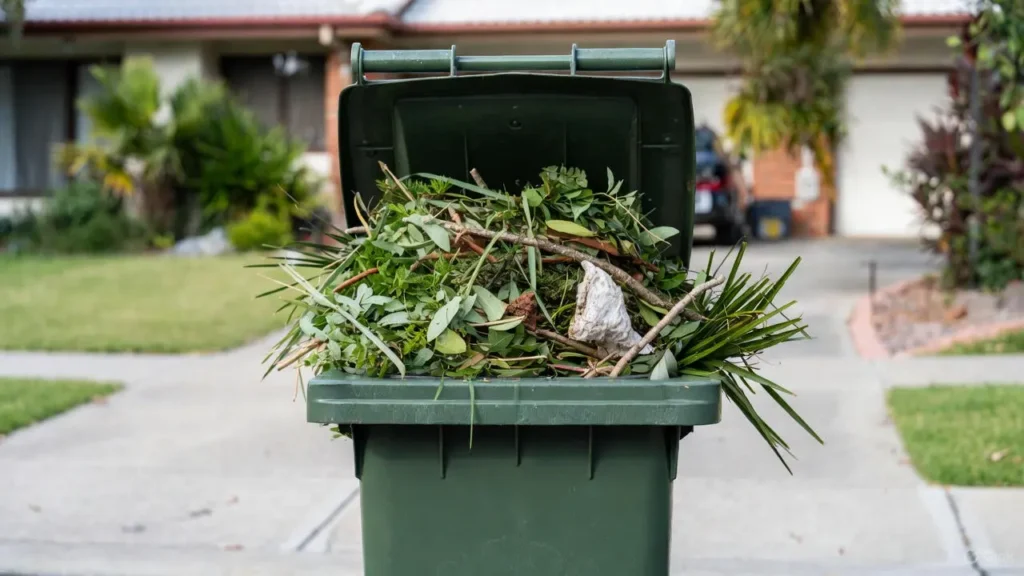
If they have space, mulching leaves is usually the simplest option. But if leaf volume is high, garden waste removal near me is the cleaner solution, especially where piles attract pests or create mouldy patches.
A good middle ground is to mulch what they can for garden beds and remove the excess, keeping pathways and stormwater drains clear.
Is winter a good season for garden waste removal?
Winter is quieter for many gardens, which can make it a smart time to book. With less growth, garden waste removal near me is often easier to schedule, and removal crews may have better availability.
Winter is also when they can do heavier pruning in many regions, then clear cuttings before spring kicks off and everything grows back fast.
How can they avoid soggy, heavy waste problems in winter?
They should keep waste off wet soil and avoid mixing mud into the pile. When arranging garden waste collection services, winter loads can become heavier quickly, particularly with wet palm fronds, long grass, and rain-soaked leaves.
They can use a tarp under the pile, stack branches to allow airflow, and delay collection for a day or two after heavy rain so the load is lighter and easier to handle.
When is spring the busiest time for garden waste removal?
Spring is usually the peak season because everything grows at once. As pruning, weeding, mowing, and planting happen together, garden waste removal near me can book out weeks ahead in some areas.
They will get better results by locking in a date early, then doing the bulk of cutting and clearing 24–48 hours before pick-up.
What spring tasks create the most garden waste?
Fast-growing lawns, hedges, and flowering shrubs can create surprising volume. For garden waste removal near me, the biggest spring waste sources are often hedge trimmings, palm debris, weeds pulled after rain, and lawn edges.
If they are doing a spring “reset,” it helps to separate green waste from general rubbish early so removal is smoother and cheaper.
How do local Australian climate zones change the best timing?
Australia’s seasons vary by region, so the best clean-up timing shifts too. In tropical Queensland, growth and storms can drive more frequent garden waste removal near me bookings, even outside the classic spring peak.
In cooler places like Canberra or Hobart, winter slows growth, and spring surges later. In Perth and Adelaide, hot dry summers can reduce green waste but increase pruning and fire-safe clearing.
What role do councils and green-bin rules play in timing?
Council services often shape what households can store and when. If a property has a green bin, they can use it for small weekly loads and book garden waste removal near me for overflow and bulky cuttings.
They should check local rules for what counts as green waste, bin weight limits, and whether bundled branches are accepted during hard waste or verge collection periods.
How can they time removal around bushfire season and hazard reduction?
In bushfire-prone areas, timing is critical. They should aim to clear dry fuels before the local fire danger season begins, and garden waste removal near me can help remove fine fuels like dry leaf litter and dead branches.
They should follow local state guidance, such as NSW RFS or CFA advice, and avoid outdoor cutting on Total Fire Ban days where applicable.
How far ahead should they book in peak periods?
In spring and after major storms, a lead time of one to two weeks is common. For garden waste removal near me, earlier is safer if they need a specific day, such as before an inspection, rental exit, or family event.
If they are flexible, they can ask for the next available slot, weekday discounts, or shared runs in their suburb.
What is the best day of the week to schedule garden waste removal?
Mid-week bookings can be easier to secure than weekends. Many people search garden waste removal near me for Saturdays, so Tuesday to Thursday often has better availability.
They can also avoid public holiday weekends, when traffic, transfer stations, and tip queues can slow down same-day turnarounds.
How should they prepare waste to reduce cost and speed up collection?
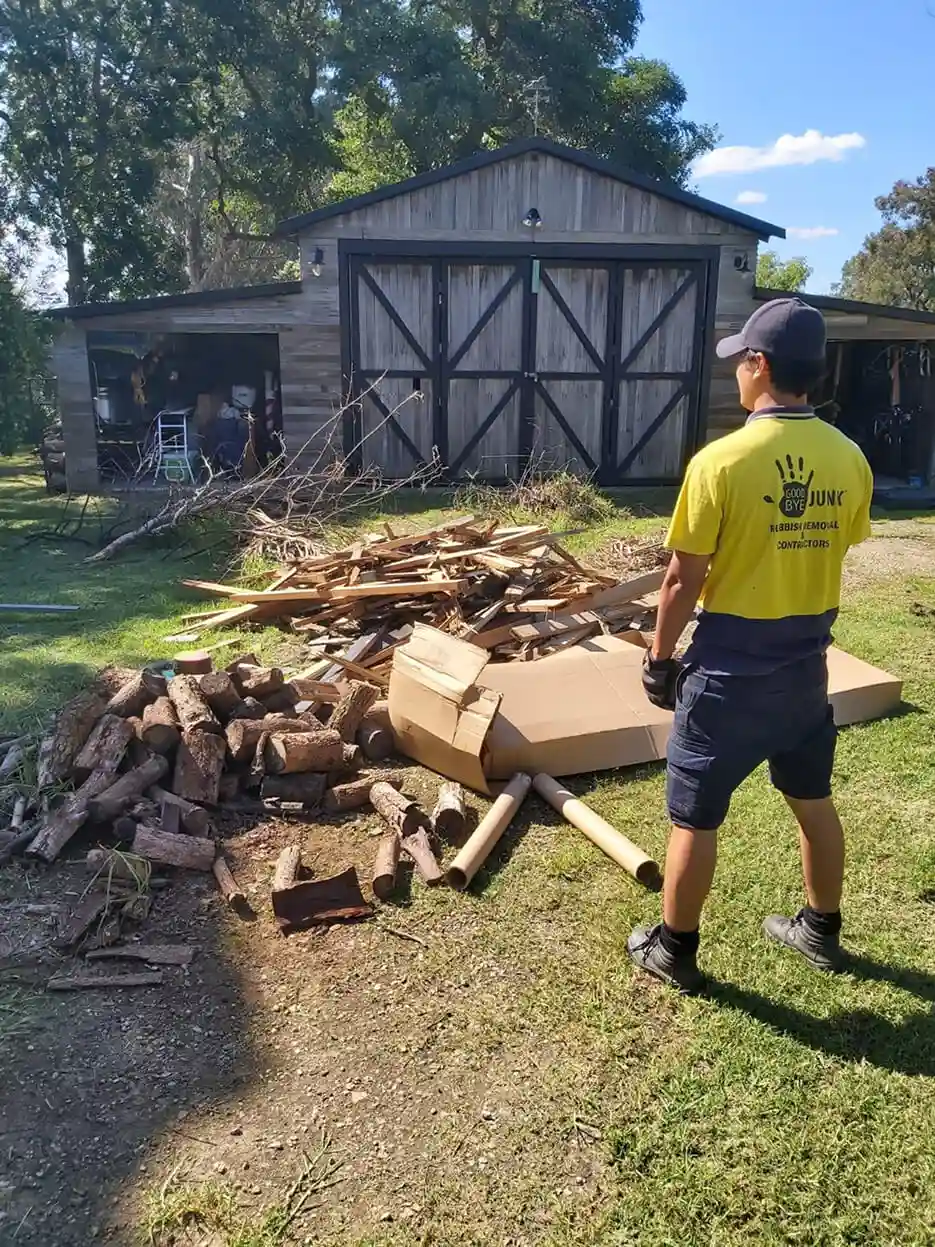
Preparation usually decides whether the job is quick or painful. For garden waste removal near me, they should stack branches with cut ends aligned, bag loose leaves, and keep contaminants like plastic pots, treated timber, and bricks separate.
If space allows, creating two piles helps: one for light green waste and another for heavy branches. This can reduce handling time and make quotes more accurate.
Should they cut branches down to specific sizes?
Yes, smaller pieces are easier to load and often reduce fees. For garden waste removal near me, many crews prefer branches cut to manageable lengths so they can fit the truck neatly and avoid unsafe lifting.
They can aim for consistent sizes rather than random long pieces. If they cannot cut safely, they can ask whether the service includes cutting or only removal.
How can they estimate volume so they book the right service?
They should compare the pile size to common trailer or truck loads. Many providers price garden waste removal near me by cubic metres, trailer loads, or fractions of a truck.
They can take a clear photo from two angles and include a reference object like a wheelie bin. This helps avoid underbooking and needing a second pick-up.
When should they choose removal instead of DIY tip runs?
Removal makes sense when volume is large, time is limited, or they lack a suitable vehicle. Searching garden waste removal near me is usually worthwhile when the waste includes bulky branches, prickly shrubs, or multiple green-bin cycles’ worth of material.
DIY can suit small loads, but tip fees, fuel, and time off work add up fast, especially in metro areas.
What common timing mistakes cause delays or extra mess?
The biggest mistake is starting too early and leaving piles sitting for weeks. For garden waste removal near me, older piles can become slimy, blow around, or attract pests, making loading slower and more difficult, so knowing how often to book a green waste removal service can help with planning.
Another mistake is booking before checking access. Narrow driveways, locked gates, or parked cars can force rescheduling or add labour time.
What simple seasonal schedule can they follow all year?
A basic plan keeps waste manageable. They can schedule garden waste removal near me for a spring surge clean, a mid-summer storm check, an autumn leaf reset, and a winter prune clear-out.
If their block is large or leafy, adding one extra pick-up in peak growth periods can prevent the cycle of overflowing bins and last-minute weekend panic.
What should they do next to lock in the best timing?
They should look at the forecast, note local council green waste dates, and pick a window where cutting can be done close to collection. Then they can book garden waste removal near me with enough lead time for spring and post-storm rushes.
A tidy, well-stacked pile and a clear access path will make the job faster, cheaper, and less stressful.
FAQs (Frequently Asked Questions)
What does “seasonal timing” mean for garden waste removal in Australia?
Seasonal timing involves planning garden waste tasks like pruning and mowing around local growth cycles and weather patterns. In Australia, gardens produce the most waste in the first 1–2 weeks after a seasonal change, so booking garden waste removal near me early helps avoid delays and aligns with council green-bin rules or verge collections.
Why is it important to book garden waste removal early in Australian suburbs?
Booking garden waste removal near me early reduces the risk of missing optimal clean-up windows, especially during high-demand periods like spring and post-storm times. Early bookings allow removal teams to estimate waste volume accurately, sort it properly, and avoid extra trips or surprise fees due to overloaded piles.
When is the best time in summer for garden waste removal services?
Summer is ideal for quick, regular garden waste removals rather than large clean-outs. After growth spurts or windy weeks that create sudden green waste, booking garden waste removal near me ensures timely collection. Early-morning work helps keep piles shaded and prevents grass clippings from fermenting in the heat.
How should homeowners handle summer storm debris and fallen branches?
Safety comes first after summer storms. Garden waste removal near me works best when branches are neatly stacked with heavy logs separated from leafy material. If debris involves powerlines, contact the network operator or an arborist before removal since many teams won’t handle debris entangled in wires.
What is the recommended approach for autumn garden clean-ups regarding leaf removal or mulching?
In autumn, mulching leaves is usually simplest if space allows. However, when leaf volume is high, using garden waste removal near me services keeps gardens cleaner by preventing pest attraction and mould patches. A balanced method involves mulching leaves for beds while removing excess to keep pathways and drains clear.
How do local Australian climate zones affect the timing of garden waste removal?
Australia’s diverse climates shift ideal garden clean-up timing. Tropical Queensland may require more frequent garden waste removal near me bookings due to growth and storms year-round. Cooler regions like Canberra experience slower winter growth with later spring surges, while hot dry summers in Perth and Adelaide reduce green waste but increase pruning needs for fire safety.