
How to Find the Best Rodent Control in Sydney for Lasting, Revisited
Rodents are persistent in Sydney, especially where food, warmth, and shelter are easy to find. To get a lasting result, they need more than a quick bait box. The right provider combines inspection, proofing, safe products, and follow-up so the problem does not simply return next week.
This guide explains how to choose the best rodent exterminator Sydney for long-term protection, with practical checks they can use before booking.
What makes rodent problems in Sydney keep coming back?
Rodent problems return when the cause is not removed, not because the treatment “did not work”. In many Sydney homes, entry gaps, accessible pet food, compost, and roof voids create perfect conditions for repeat activity.
Suburbs with older housing stock, dense terraces, or nearby bushland can see more ongoing pressure. A lasting plan focuses on exclusion and hygiene alongside controlled eradication, not just poisoning.
How can they confirm it is rats or mice before booking?
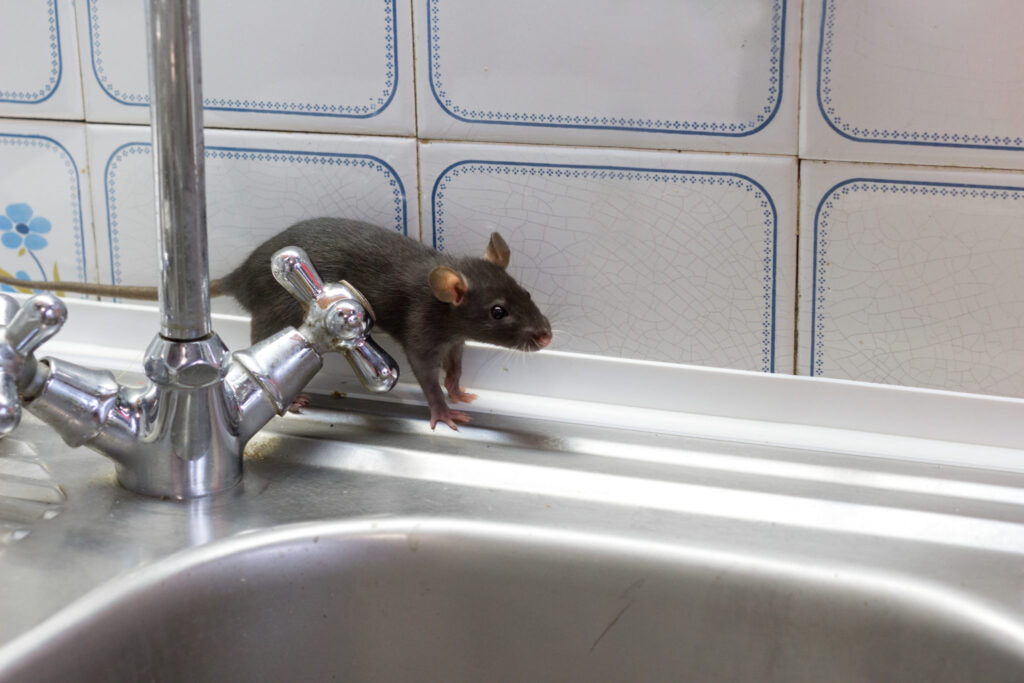
They can usually confirm rodents by looking for droppings, rub marks, gnawing, and noise patterns. Mice tend to leave smaller droppings and operate close to food cupboards, while rats often leave larger droppings and travel along edges and roof lines.
A good provider still inspects properly because possums, birds, and even plumbing issues can mimic “roof scratching”. Correct identification is a key part of the best rodent control in Sydney.
What should a proper inspection include?
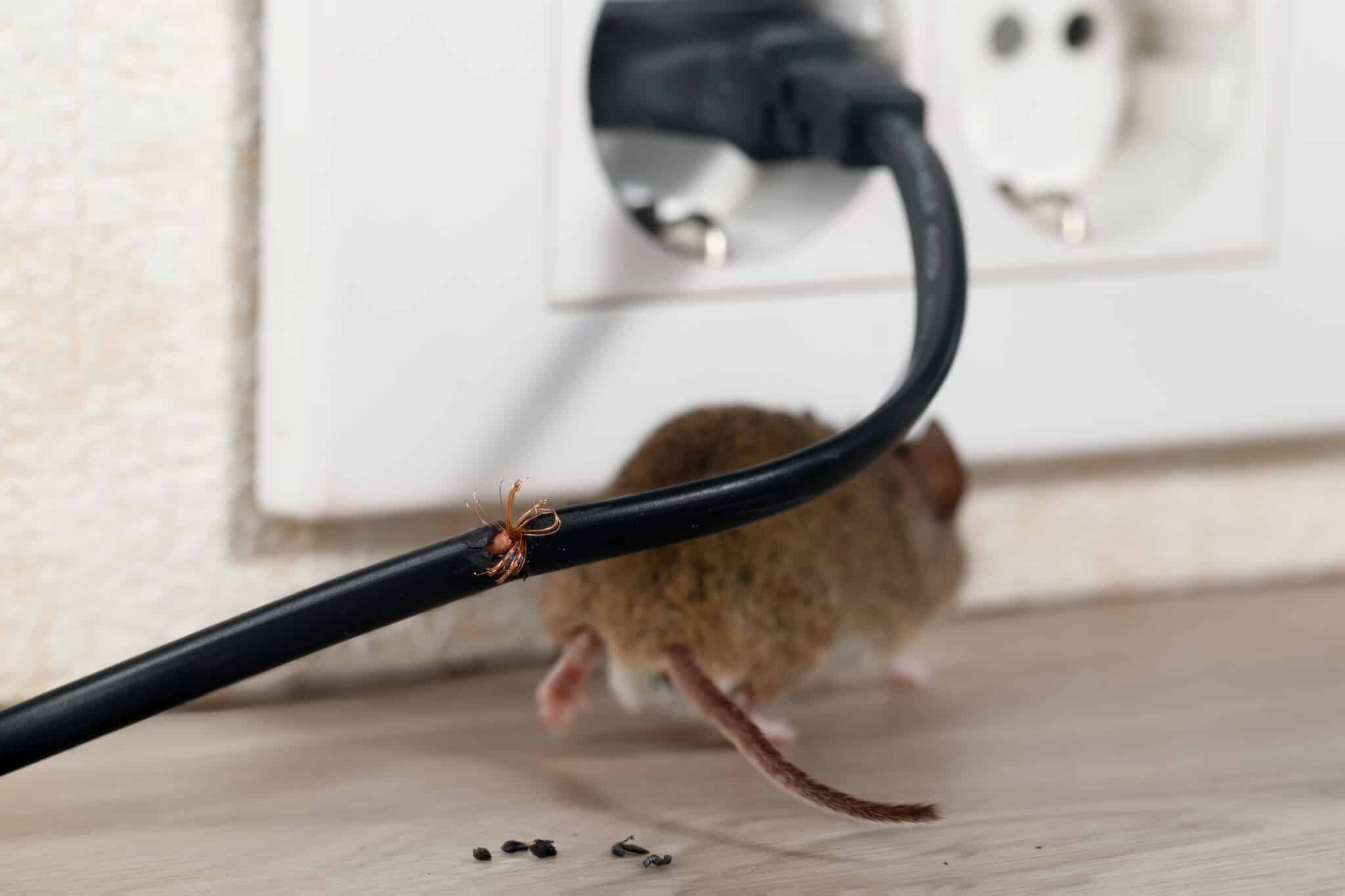
A proper inspection should map where rodents are entering, nesting, and feeding in and around the property. They should expect checks of roof voids, subfloor areas, garages, external walls, drains, and fence lines where relevant.
The technician should also point out attractants such as unsecured bins, fruiting trees, chicken coops, and stored items against walls. The best rodent control in Sydney starts with a written plan, not guesswork.
Which questions should they ask a rodent control company?
They should ask what method will be used, why it suits the site, and what proofing will be recommended. They should also ask what follow-up is included and how long it typically takes to see activity drop.
Useful questions include: “Will they provide a report?”, “Are technicians licensed in NSW?”, “What products do they use and where are they placed?”, and “How do they protect pets and children?”. These answers separate the best rodent control in Sydney from a basic one-off visit.
How do they check licences, insurance, and compliance in NSW?
In NSW, pest management technicians should hold the right training and operate under applicable state requirements. They should be willing to confirm credentials and explain how they handle chemicals safely.
They should also carry public liability insurance, especially if they are accessing roofs, subfloors, or strata common property. Providers offering the best rodent control in Sydney are transparent on compliance, safety, and documentation.
What treatment methods are most effective for lasting results?
Lasting results usually come from an integrated approach: trapping or baiting for active infestation, plus exclusion and habitat changes to stop re-entry. Where appropriate, they may use tamper-resistant bait stations outdoors and targeted trapping indoors.
A reputable technician avoids blanket baiting without proofing because it can cause odour issues, secondary poisoning risks, and repeat infestations. The best rodent control in Sydney typically combines fast knockdown with prevention work.
How important is rodent proofing, and what should it cover?
Proofing is often the difference between a short-term fix and a long-term outcome. They should expect recommendations such as sealing gaps around pipes, repairing vents, fitting door sweeps, meshing weep holes correctly, and blocking roof entry points.
They may also be advised to trim branches away from roofs, store food in sealed containers, and secure bins with tight lids. The best rodent control in Sydney treats proofing as essential, not optional.
How can they tell if pricing is fair and not just cheap?
Fair pricing reflects inspection time, materials, safe placement, and follow-up, not just the first call-out. A very cheap quote may exclude follow-up visits, reporting, or proofing guidance, which can cost more later when the problem returns.
They should compare what is included: number of visits, bait station servicing, trapping checks, and the scope of the inspection. Paying for the best rodent control in Sydney is usually cheaper than repeated “quick fixes”.
What should they expect from follow-up and monitoring?
They should expect at least one follow-up visit for many infestations, particularly where activity is heavy or access points are complex. Monitoring may include checking bait station take, resetting traps, and confirming that proofing has held.
They should also receive advice on what normal “post-treatment” signs look like, such as reduced noise or fewer droppings over time. The best rodent control in Sydney includes a clear timeline and a plan if activity persists.
How do they choose between local operators, franchises, and strata-focused providers?
Local operators can be excellent when they know Sydney housing styles and common entry points, especially in terraces, fibro homes, and older brick builds. Franchises may offer structured processes and scheduling systems, but quality still depends on the individual technician.
For flats and townhouses, strata experience matters because rodents often move through shared cavities and service ducts. The best rodent control in Sydney is the one that matches the property type and can coordinate with strata when needed.
What role do reviews play, and what should they look for?
Reviews help, but they should look for specifics rather than star ratings alone. Useful reviews mention follow-up, communication, punctuality, safety around pets, and whether the issue stayed resolved months later.
They should also watch for repeated complaints about no-shows, upselling, or “problem came back immediately”. Providers delivering the best rodent control in Sydney tend to earn consistent feedback about thorough inspections and lasting outcomes.
How can they prepare a property to get better results?
They can improve results by reducing food and harbourage before the visit. Simple steps include clearing clutter along walls, moving stored items off the floor in garages, and sealing pantry goods in containers.
Outside, they can secure bins, clean up fallen fruit, and store pet food indoors. Preparation helps technicians place devices safely and spot entry points, which supports the best rodent control in Sydney approach.
What should they avoid to prevent making the infestation worse?
They should avoid scattering supermarket baits without understanding where rodents travel, because it can increase the risk to pets and wildlife and may push rodents into walls. They should also avoid blocking holes without first addressing active rodents, which can trap them inside cavities.
They should not ignore water sources such as leaking outdoor taps or condensate drains, as rodents will keep returning. The best rodent control in Sydney avoids shortcuts that create bigger, messier problems.
How do they know the problem is actually resolved for the long term?
They can look for sustained signs: no fresh droppings, no new gnaw marks, no scratching sounds, and no new rub marks along skirting boards. They should also see reduced bait take and no new activity in monitoring devices, if used.
Long-term success is also behavioural: bins stay secured, entry points remain sealed, and storage stays tidy. That is the outcome they should expect when they choose the best rodent control in Sydney.
What is the simplest checklist for choosing the right service?
They can use a short checklist to decide quickly without missing essentials:
- Do they inspect thoroughly and explain entry points?
- Do they offer an integrated plan, not baiting alone?
- Do they outline safety for children, pets, and local wildlife?
- Do they include follow-up and monitoring?
- Do they provide clear reporting and fair inclusions?
If a provider meets these points and communicates clearly, they are close to the best rodent control in Sydney for lasting results.
FAQs (Frequently Asked Questions)
What causes rodent problems to keep coming back in Sydney homes?
Rodent problems in Sydney often return because the root causes, such as entry gaps, accessible pet food, compost, and roof voids, are not addressed. Older housing, dense terraces, and proximity to bushland increase pressure. Lasting control requires exclusion and hygiene measures alongside eradication.
How can I confirm whether I have rats or mice before booking pest control?
You can identify rodents by looking for droppings, rub marks, gnawing, and noise patterns. Mice leave smaller droppings near food cupboards; rats leave larger droppings along edges and roof lines. A professional inspection is recommended to correctly identify rodents since other animals or issues can mimic rodent signs.
What should a thorough rodent inspection include in Sydney properties?
A proper inspection maps entry points, nesting sites, and feeding areas inside and outside the property. This includes checking roof voids, subfloors, garages, external walls, drains, and fence lines. The technician should also identify attractants like unsecured bins or fruit trees. The best rodent control in Sydney starts with a detailed written plan.
Which questions should I ask a rodent control company before hiring?
Ask about the methods used and why they suit your site; what proofing will be recommended; follow-up procedures; expected timeline for activity reduction; if technicians are licensed in NSW; products used and their placement; and how pets and children are protected. These questions help distinguish comprehensive services from basic one-off visits.
How important is rodent proofing in achieving long-term control?
Rodent proofing is essential for lasting results. It includes sealing gaps around pipes, repairing vents, fitting door sweeps, meshing weep holes correctly, blocking roof entry points, trimming branches away from roofs, storing food securely, and securing bins with tight lids. The best rodent control in Sydney treats proofing as a non-negotiable part of the service.
What follow-up and monitoring should I expect after rodent treatment?
Expect at least one follow-up visit to check bait station uptake, reset traps, and confirm that proofing remains intact. Technicians should provide advice on post-treatment signs like reduced noise or fewer droppings over time. The best rodent control in Sydney includes a clear timeline and contingency plans if activity persists.
Related : Rat Exterminator Sydney: What to Expect and How It Works